Coverage Start My Quote Request Service Reviews Make Payment Certificates of Insurance Call (516) 216-5600
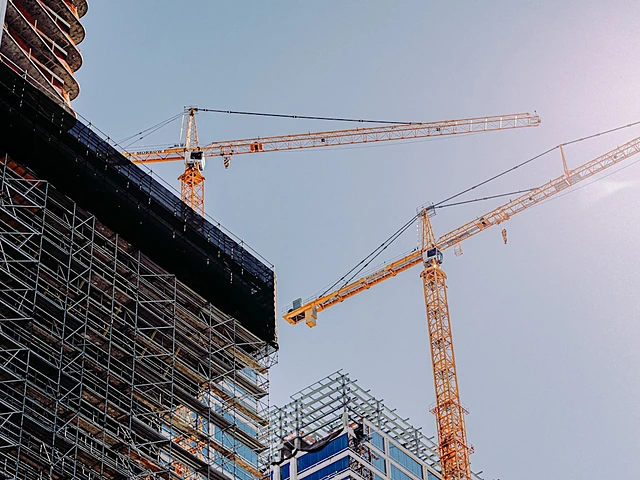
Tower cranes over a building under construction

Builders Risk Insurance in New York


A project under construction isn't a finished building, and a standard property policy won't treat it like one. Builders risk covers the structure while it goes up — plus the materials sitting on site, in transit and in temporary storage — for the length of the job.

What a Builders Risk Policy Covers

Written for the job rather than the address, and it ends when the project does. Here's each piece in plain English.

The Structure Under Construction

The building itself while work is in progress — the single biggest number on the policy. The limit should equal the completed value of the project, not what's been spent so far.

Materials On Site

Lumber, fixtures, HVAC and everything else staged at the job waiting to be installed, covered against fire, wind, theft and vandalism while it sits there.

Materials In Transit & Off-Site

Property being trucked to the job or held at a supplier's yard or temporary storage. Both usually carry their own sub-limits, worth checking against how you actually stage a job.

Soft Costs

The money a delay costs you that isn't lumber: lost rent, extra loan interest, re-pulled permits, additional design fees. Optional on most forms and commonly overlooked.

Debris Removal

Clearing the site after a covered loss so the crew can start again. Normally a percentage of the main limit rather than a separate pot of money.

Who's Named On It

The general contractor, the owner and often the lender all have a stake. Getting every interested party named up front avoids an argument at claim time.

Policy Term

Written for the expected length of the project. Jobs run long, so ask about an extension before the term lapses — coverage that expires mid-build is the classic builders risk failure.

Renovation vs. Ground-Up

Ground-up construction and a renovation to an existing occupied building rate differently, and the existing structure may need to stay on a separate property policy.
What's Generally Not Covered

  • Faulty workmanship, design or materials — the defect itself is excluded, though resulting damage may be covered depending on the form
  • Flood and earthquake unless specifically endorsed
  • Tools and equipment owned by the contractor, which belong on an inland marine policy
  • Employee injury, which is workers' compensation
  • Damage after the project is complete or occupied, when a permanent property policy takes over
  • Theft from a site left unsecured contrary to the policy conditions

Common Questions

Answered the way we'd answer them on the phone.

Who Should Buy It, the Owner or the Contractor?

Either can, and the construction contract usually says which. What matters more is that everyone with a financial interest — owner, general contractor and lender — is named on the policy. If the contract is silent, we'll read it with you before it's issued.

What Limit Should I Carry?

The completed value of the project, including materials and labor, not the amount spent to date. Underinsuring the completed value can trigger a coinsurance penalty on a partial loss, which is a painful way to learn the limit was short.

My Project Is Running Late. Is That a Problem?

It can be. The policy is written for a set term and coverage stops when it expires, whether or not the roof is on. Tell us early and we'll arrange an extension — routine before expiry, and much harder after.

Does It Cover the Existing Building I'm Renovating?

Usually not on its own. Builders risk covers the work being done; the existing structure generally stays on the owner's property policy. On a gut renovation the line between the two matters, so both should be reviewed together.

Quote My Project

Send us the project address, the completed value, the start date and how long you expect it to run. A licensed NY agent will shop it and confirm who needs to be named before the first delivery lands on site.

Other Coverage We Write

Call (516) 216-5600