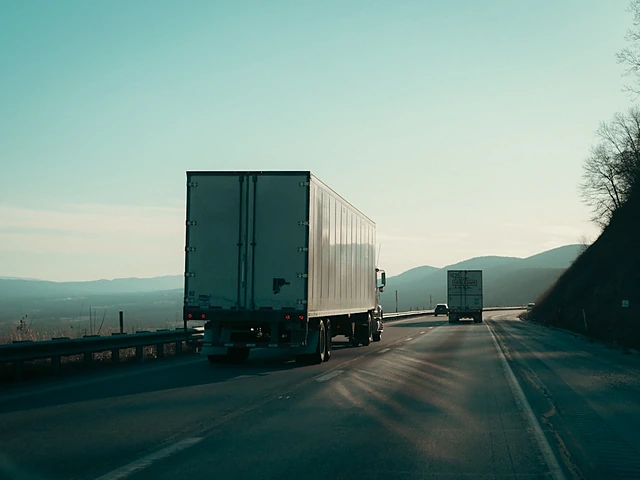
Primary Auto Liability
Pays for injuries and property damage your truck causes to others. This is the coverage your operating authority and your filings are built on, and the limit brokers check before they tender you a load.
Motor Truck Cargo
Covers the freight itself while it's in your care, custody and control. Limits commonly start around $100,000 and go up with the commodity — and what you haul has to match what's listed on your application.
Physical Damage
Collision and comprehensive on the tractor and trailer you own. If the equipment is financed or leased, your lienholder will require it and will want to be named on the policy.
Non-Trucking Liability (Bobtail)
Your primary liability generally stops covering you the moment you're off dispatch. Non-trucking liability picks it up — driving home, running an errand, moving the truck with no load behind it.
Trailer Interchange
Damage to trailers you pull but don't own, under an interchange or equipment lease agreement. If you drop and hook, you almost certainly need this.
General Liability
The exposures the auto policy doesn't reach — someone hurt at your yard, or a loading and unloading claim that happens off the truck.
Workers' Comp & Occupational Accident
New York requires workers' comp once you have employees. Owner-operators leased on to a carrier often carry an occupational accident policy instead — we'll tell you which one your situation calls for.
Filings & Compliance
We handle the BIPD filing your authority needs and the MCS-90 endorsement that goes with interstate operation. Worth knowing: MCS-90 is a public guarantee, not coverage for you — the insurer can come back to you for what it pays out.