Garage Liability
Injury and property damage arising from your premises and your operations, including the auto hazard a standard general liability policy leaves out. This is the base the rest of the policy sits on.
Garagekeepers
Physical damage to customers' vehicles while they're in your care, custody and control — the single most important coverage on the policy for a repair or body shop.
Legal Liability vs. Direct
Garagekeepers is written three ways. Legal liability pays only when you're proven at fault; direct primary pays regardless; direct excess pays after the customer's own policy. Which one you have decides whether a hail-damaged customer car is your problem or theirs.
Dealers Open Lot
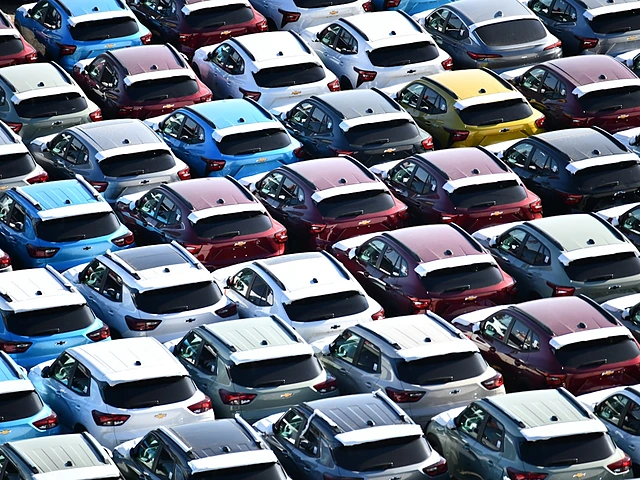
Comprehensive and collision on the inventory you hold for sale — hail, theft, vandalism and lot damage. Rated on the average value of vehicles on the lot, so keep the figure current.
Owned Autos
Service vehicles, parts runners, tow trucks, loaners and demos. Dealer plates and drive-other-car arrangements need to be reflected here rather than assumed.
Products & Completed Operations
A repair that fails after the customer drives away. The redo itself is usually excluded, but the damage that flows from it is what this responds to.
False Pretense
The vehicle handed over on a bad check, a fraudulent trade-in title, or a test drive that never comes back. A real dealer exposure and commonly a separate sub-limit.
Employees & Registration
Employee injury belongs on workers' compensation, not here. New York registers dealers and repair shops through the DMV, and your registration and dealer plates carry their own insurance requirements — we'll check your policy meets them.